When to Call an Electrician in Mississauga: 7 Electrical Problems That Need Professional Help
A flickering light or tripped breaker can seem like a minor inconvenience, but some electrical problems are warning signs that should not be ignored. In Mississauga homes, condos, commercial spaces, and older neighbourhood properties, knowing when to stop troubleshooting and call an electrician can help prevent damage and reduce electrical safety risks.
Quick answer: Call an electrician when you experience repeated breaker trips, persistent flickering or dimming lights, warm or discoloured outlets, burning smells, buzzing electrical components, frequently dead outlets, or signs that your electrical panel can no longer support your property’s needs. If you see sparks, smoke, damaged electrical equipment, or another immediate hazard, keep your distance and treat the situation as an electrical emergency.
What local property owners should know
-
A breaker that trips once because of a temporary overload is different from a breaker that repeatedly trips under normal use.
-
Homes in established areas such as Port Credit, Streetsville, Cooksville, and Applewood may have electrical systems that have been altered or expanded over many years.
-
Newer homes in areas such as Churchill Meadows and Central Erin Mills can still develop overloaded circuits, defective devices, or electrical connections that require professional diagnosis.
-
In Ontario, electrical work performed for hire must be completed by a Licensed Electrical Contractor, and most electrical work requires notification to the Electrical Safety Authority.
-
A neighbourhood-wide outage is usually a utility issue, while an outage affecting only part of your property may point to a problem inside the electrical system.
Why Electrical Problems Need Attention in Mississauga
Electrical problems in Mississauga deserve prompt attention because local properties range from established houses and older commercial buildings to newer subdivisions, condominiums, warehouses, and renovated spaces, all with different electrical demands. Added appliances, finished basements, home offices, EV charging equipment, and renovations can place new demands on systems designed for different loads.
The City of Mississauga identifies neighbourhood areas including Port Credit, Streetsville, Meadowvale, Erin Mills, Cooksville, Applewood, Lakeview, Clarkson-Lorne Park, and Malton. That variety also means there is no single electrical setup that applies to every local property.
Circuit Savvy Electric, previously Duke of York Electric, helps property owners identify electrical problems and determine the appropriate repair or upgrade. From this point forward, we will focus on the warning signs that tell you professional electrical troubleshooting should be the next step.
1. Call an Electrician When Your Breakers Keep Tripping
Repeated breaker trips are a reason to call an electrician because a breaker is designed to interrupt power when the circuit detects a condition it should not continue carrying. One isolated trip may result from plugging in too many devices, but regular tripping can indicate an overloaded circuit, equipment problem, short circuit, or another electrical fault.
This can happen when several high-demand appliances share one circuit or when a room is being used differently than it was when the electrical system was installed.
For example, a finished basement in Erin Mills might now contain a television, computer equipment, portable heater, and other electronics on circuits that were not originally intended for that combination of loads.
Do not repeatedly reset a breaker without investigating why it is tripping. If the same breaker trips again during normal use, professional diagnosis is the safer next step.
2. Call an Electrician for Persistent Flickering or Dimming Lights
Persistent flickering or dimming lights need professional attention when the problem affects multiple fixtures, happens regularly, or appears when appliances turn on. A loose connection, problematic circuit, overloaded electrical system, defective fixture, or service-related issue can all cause changes in lighting, so the pattern matters when diagnosing the source.
Start by noticing whether the problem affects one light, one room, or several parts of the property.
A single flickering bulb may simply need replacement. Multiple lights flickering throughout a Cooksville home when a major appliance starts is a different situation and should be investigated.
If lights throughout the property suddenly become unusually bright or dim, avoid treating the problem as a simple bulb issue.
3. Call an Electrician for Warm, Discoloured, or Damaged Outlets
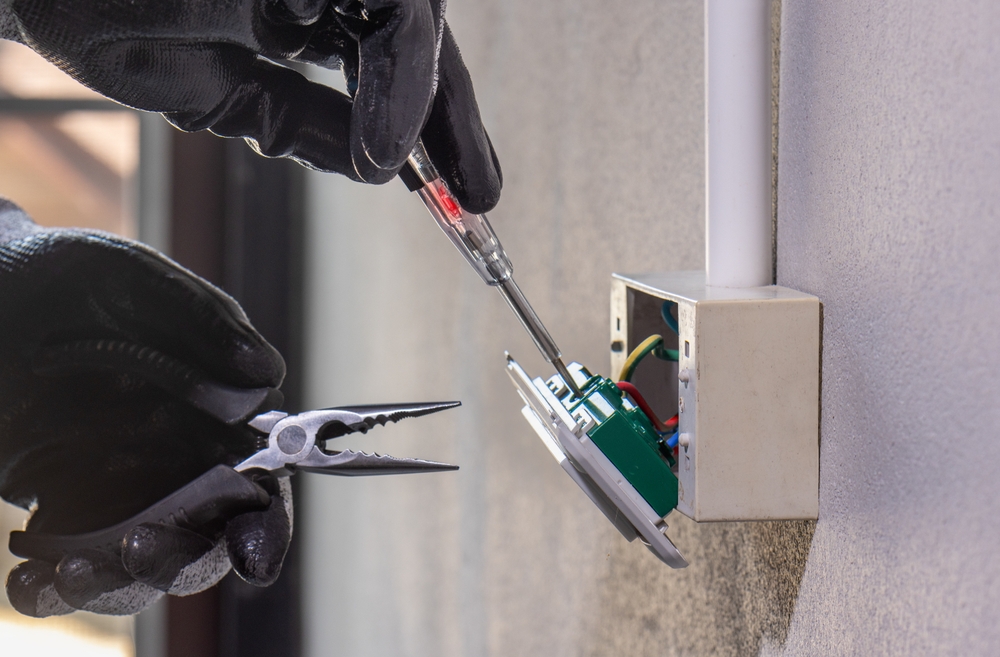
An outlet that feels unusually warm, shows discolouration, smells burnt, or has visible damage should be taken out of use and inspected by an electrician. Heat at a receptacle can be associated with a loose connection, damaged device, excessive electrical load, or another condition that should not be addressed by simply replacing a cover plate.
Look for dark marks, melting, cracked receptacles, plugs that no longer fit securely, or unusual heat around switches and outlets.
This is especially relevant in kitchens, garages, workshops, and renovated spaces where electrical demand may have changed over time. A homeowner in Streetsville, for example, might discover an older receptacle that now regularly supplies equipment it was never previously used for.
Do not continue plugging equipment into an outlet that is visibly damaged or producing unusual heat.
4. Call an Electrician if You Smell Burning Near Electrical Equipment
A burning or hot-plastic smell near an outlet, switch, electrical panel, light fixture, or appliance connection requires immediate attention because overheating electrical components may not always produce visible smoke. Stop using the affected equipment when it is safe to do so and arrange for the source of the smell to be professionally identified.
Electrical overheating can occur behind walls or inside devices where the problem is not obvious from the room.
If you see smoke, active sparking, or fire, leave the immediate area and contact emergency services as appropriate. Do not remove an electrical panel cover or open energized equipment to search for the problem yourself.
For utility hazards such as downed or damaged power lines, Alectra Utilities instructs residents to stay well away from the hazard and report it to the utility.
5. Call an Electrician for Buzzing, Crackling, or Sparking
Buzzing, crackling, or repeated sparking from switches, receptacles, fixtures, or an electrical panel should be inspected because properly functioning electrical components generally should not produce persistent arcing-type sounds. These symptoms can point to loose connections, damaged devices, faulty equipment, or other conditions requiring electrical testing.
A tiny momentary spark can occasionally occur when certain plugs are connected, but repeated or significant sparking is different.
Pay particular attention to noises coming from the electrical panel. Property owners should not remove the panel cover and attempt to tighten or test internal components themselves.
Whether the property is a Lakeview bungalow, Meadowvale townhouse, or local commercial unit, unusual sounds from fixed electrical equipment are a reason to stop guessing and arrange an inspection.
6. Call an Electrician When Outlets or Parts of the Home Lose Power
A dead outlet or section of a property that repeatedly loses power should be professionally diagnosed when resetting the appropriate breaker or GFCI does not correct the problem. Loss of power can result from a tripped protective device, failed receptacle, loose electrical connection, circuit problem, or an issue elsewhere upstream.
First determine whether the outage affects neighbouring properties.
A widespread outage may be an Alectra Utilities issue. If nearby properties still have power but one circuit, room, or section of your Mississauga property does not, the fault may be within your electrical system.
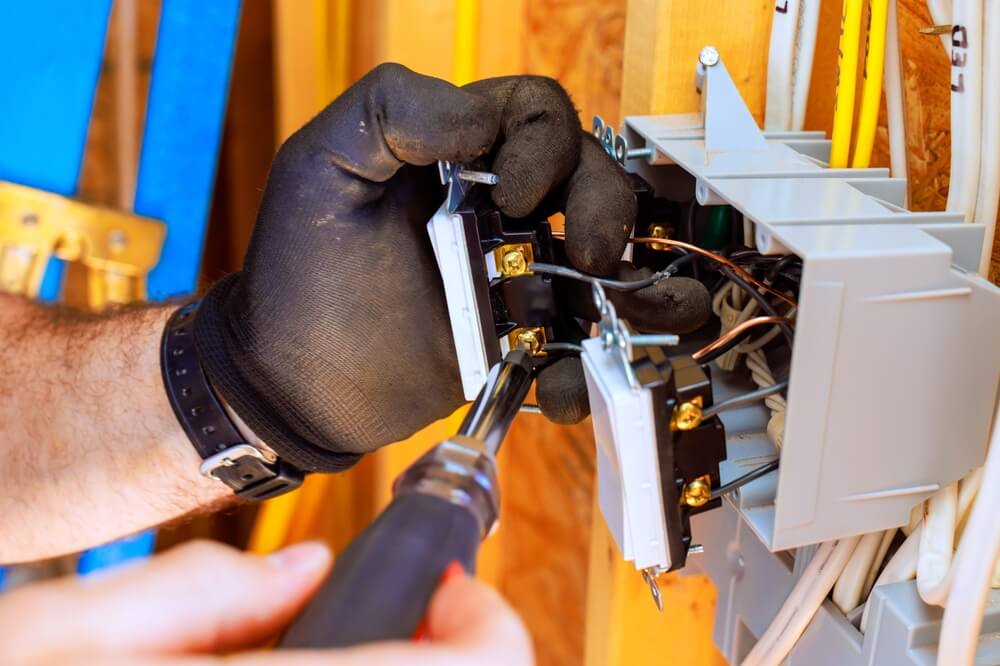
Do not start opening receptacle boxes or testing exposed wiring unless you are qualified and legally permitted to perform the work.
7. Call an Electrician When Your Panel Cannot Keep Up With Your Electrical Needs
An electrical panel should be professionally evaluated when you are frequently running out of circuit capacity, experiencing recurring overload symptoms, planning major new electrical loads, or encountering damaged or outdated equipment. The correct solution might involve adding circuits, redistributing loads, replacing components, or upgrading the service, depending on what testing reveals.
Electrical demand can change significantly during the life of a property.
Adding an induction range, air conditioning equipment, basement living space, workshop equipment, hot tub, or electric vehicle charger can alter what the system needs to support.
Before a major renovation or electrical addition in Mississauga, having the existing panel and available capacity evaluated can prevent an improvised solution later.
Common Electrical Warning Signs to Watch For
Electrical warning signs that deserve attention include repeated breaker trips, unexplained power loss, heat, unusual smells, sounds, visible damage, and changes in lighting behaviour. One symptom may have a simple explanation, but recurring symptoms or multiple warning signs are stronger reasons to arrange professional troubleshooting.
Watch for:
-
Breakers that trip repeatedly during ordinary use
-
Lights that flicker or dim in several rooms
-
Warm switches, plugs, or receptacle covers
-
Brown or black marks around outlets
-
Burning or hot-plastic odours
-
Buzzing or crackling from fixed electrical equipment
-
Outlets that stop working without an obvious cause
-
Sparks from switches, receptacles, fixtures, or the panel
When Should You Stop DIY Troubleshooting?
DIY troubleshooting should stop when the task requires opening electrical equipment, altering wiring, replacing fixed electrical components without the required knowledge, or diagnosing an energized system. Safe homeowner checks can include unplugging an appliance, checking whether neighbours have power, identifying which breaker has tripped, or resetting a GFCI according to its instructions.
Ontario’s Electrical Safety Authority states that if you hire someone to perform electrical work in your home, the work must generally be completed by a Licensed Electrical Contractor.
The ESA also explains that almost all electrical work must be reported through a notification of work and that a building permit is not the same as an ESA electrical notification.
Homeowners can perform certain electrical work themselves, but they remain responsible for complying with the Ontario Electrical Safety Code and applicable notification requirements.
Common Causes of Electrical Problems in Local Properties
The most common causes of electrical trouble include overloaded circuits, worn electrical devices, loose connections, equipment failures, renovation-related changes, and electrical demand that has grown beyond the system’s original use. In a city with housing and commercial properties from many different development periods, the exact cause should be determined through inspection and testing.
Common situations include:
-
Changing electrical loads: Additional appliances and electronics increase demand on existing circuits.
-
Aging components: Receptacles, switches, breakers, connections, and other electrical equipment can deteriorate over time.
-
Previous renovations: Finished basements, additions, kitchens, and commercial buildouts may have changed the original electrical layout.
-
Outdoor exposure: Exterior receptacles, lighting, and equipment can be exposed to moisture, freeze-thaw conditions, and physical damage.
-
Equipment faults: Sometimes the electrical system is operating correctly and the connected appliance is the actual source of the problem.
How to Prevent Electrical Problems
Electrical problems can often be reduced by paying attention to changing power needs, replacing visibly damaged devices, keeping electrical equipment accessible, and arranging an assessment before major renovations or new high-demand equipment is installed. Prevention is particularly useful when a local property has undergone several renovations or its electrical use has changed substantially.
Avoid relying on extension cords as permanent wiring. Do not cover warning signs such as damaged receptacles or regularly tripping breakers with temporary workarounds.
Before adding a significant electrical load, ask whether the existing circuit and panel have sufficient capacity.
Outdoor electrical equipment around Port Credit, Clarkson-Lorne Park, and other parts of the city should also be periodically checked for visible weather damage.
What to Expect From Professional Electrical Troubleshooting
Professional electrical troubleshooting should identify the underlying cause before the repair is recommended. Depending on the problem, an electrician may inspect the affected circuit, test devices and connections, evaluate the electrical panel, measure electrical conditions, identify defective equipment, and determine whether repair, replacement, or additional electrical work is appropriate.
The goal is not simply to make the symptom disappear.
A breaker that keeps tripping, for example, should not automatically be replaced with a different breaker without determining why it trips. Likewise, replacing one dead receptacle may not solve a problem caused by a connection elsewhere on the circuit.
Where required, electrical work must follow Ontario’s notification and inspection process.
Common Electrical Mistakes to Avoid
The biggest electrical mistakes involve treating symptoms instead of causes, repeatedly resetting protective devices, and attempting repairs without understanding the circuit involved. A better approach is to recognize when basic observation has provided all the information a homeowner can safely gather and move to professional diagnosis.
Mistake: Resetting a breaker every time it trips.
Consequence: The condition causing the trip remains unresolved.
Better approach: Note what was operating when the breaker tripped and have recurring trips diagnosed.
Mistake: Continuing to use a warm or discoloured outlet.
Consequence: The damaged or overheating condition may worsen.
Better approach: Stop using the outlet and have it inspected.
Mistake: Assuming every power loss is a utility outage.
Consequence: A property-specific circuit problem can go unnoticed.
Better approach: Check whether neighbouring properties are also affected and contact the appropriate professional.
A Common Local Electrical Scenario
A common local scenario is a Mississauga homeowner who notices that a breaker begins tripping after a basement, home office, or entertainment space starts being used more heavily. The breaker may appear to be the problem, but the real issue could involve circuit loading, connected equipment, a wiring condition, or another fault that requires testing.
The useful question is not simply, “How do I keep this breaker on?”
The better question is, “Why is this protective device operating?”
Finding that answer allows the appropriate solution to be selected rather than masking the symptom.
Electrical Services That Can Address These Problems
Electrical troubleshooting, circuit repairs, receptacle and switch replacement, panel work, dedicated circuit installation, lighting repairs, and electrical assessments can address many of the warning signs discussed above. The appropriate service depends on what is causing the problem, which is why diagnosis should come before assumptions about the required repair.
We can evaluate the symptoms, identify the affected part of the electrical system, and explain the available repair or upgrade options.
DIY Monitoring vs. Professional Electrical Service
DIY monitoring is appropriate for basic observations, while professional service is appropriate when wiring, fixed electrical equipment, recurring faults, or electrical-system modifications are involved. Knowing that boundary helps homeowners collect useful information without exposing themselves to unnecessary electrical risk.
You can safely note which devices were running, which rooms are affected, whether the issue happens repeatedly, and when the problem first appeared.
Professional help is the better choice when the solution requires electrical testing, opening equipment, repairing wiring, altering circuits, or performing work covered by Ontario electrical requirements.
Electrical Service Areas Around Mississauga
Electrical problems occur across Mississauga, from Port Credit and Lakeview in the south to Meadowvale and Lisgar in the north, as well as Streetsville, Erin Mills, Cooksville, Applewood, and surrounding communities. Property age, renovations, electrical demand, and equipment condition can vary considerably from one neighbourhood to another.
We focus on identifying the specific electrical problem at the property rather than assuming every home or commercial space needs the same solution.
What Can Happen if You Ignore an Electrical Problem?
Ignoring an electrical problem can allow damaged components, overloaded circuits, intermittent connections, or equipment faults to continue operating without diagnosis. Even when the immediate symptom is only inconvenient, waiting can make troubleshooting more difficult and may allow a repairable issue to cause additional damage or unexpected loss of power.
This does not mean every flickering bulb is an emergency. The important distinction is persistence, recurrence, visible damage, heat, burning smells, unusual sounds, or other signs that the electrical system is not behaving normally.
Frequently Asked Questions
When should I call an electrician for a tripping breaker in Mississauga?
Call an electrician when the same breaker repeatedly trips during normal use, trips immediately after being reset, or trips without an obvious temporary overload. Repeated trips can signal an overloaded circuit, equipment fault, short circuit, or another electrical condition that needs diagnosis rather than repeated resetting.
Who is allowed to perform electrical work for hire in Mississauga?
In Ontario, electrical work performed for hire generally must be done through a Licensed Electrical Contractor. The Electrical Safety Authority recommends verifying the contractor’s ECRA/ESA licence number. Most electrical work also requires an ESA notification, and the contractor performing the work typically handles the required notification and inspection process.
Should I call an electrician or Alectra Utilities during a power outage?
Call Alectra Utilities when the issue appears to be a utility outage or involves utility equipment such as a downed line. If neighbouring properties have power but only your home, a circuit, or part of the building has lost electricity, an electrician may need to diagnose the property’s electrical system.
Are flickering lights normal in Mississauga homes?
An occasional flicker from a loose bulb can have a simple cause, but persistent flickering across several fixtures is not something to dismiss. If lights repeatedly dim when appliances start, several rooms are affected, or the problem occurs with buzzing or other symptoms, arrange an electrical assessment.
Do older homes in Port Credit or Streetsville automatically need rewiring?
No. The age or location of a home alone does not determine whether rewiring is required. The existing wiring type, condition, previous alterations, electrical demand, panel condition, and observed deficiencies all matter. An electrical assessment can identify specific issues before recommendations are made.
Do I need an electrician before installing an EV charger in Mississauga?
A professional electrical assessment is appropriate before installing an EV charger because the charger adds a significant electrical load and requires a suitable circuit and installation. Existing service and panel capacity should be considered as part of the project rather than assuming every property can support the same installation.
Is a burning smell from an outlet an emergency?
A burning or melting smell near an outlet should be treated seriously. Stop using the affected outlet when it is safe to do so and arrange professional electrical attention. If there is active smoke, fire, significant sparking, or another immediate danger, leave the area and contact emergency services as appropriate.
Does electrical work in Mississauga need an ESA permit?
Most electrical work in Ontario requires what the Electrical Safety Authority calls a notification of work, sometimes informally referred to as a permit. The requirements depend on the work being performed. A municipal building permit does not replace an ESA electrical notification when an electrical notification is required.
Get the Electrical Problem Properly Diagnosed
Recurring electrical problems deserve more than a temporary reset or workaround. Whether you are dealing with breaker trips, flickering lights, damaged outlets, unexplained power loss, or concerns about your panel, proper troubleshooting can identify the source and help you make an informed repair decision.
Protect Your Mississauga Property With the Right Electrical Solution
We focus on finding the cause of the electrical problem and explaining the appropriate next step for your home or business.